• volunteer@grassrootinitiative.org
  • 254708003481

Agroecology & Tree Conservation Volunteer Program

Program Overview: Nurturing Land, Empowering Communities

Welcome to our Sustainable Agriculture & Tree Conservation Program, where ancient farming wisdom meets modern ecological practices. This specialized program connects volunteers with smallholder farmers and community groups in Kenya to combat deforestation, restore degraded lands, and build climate-resilient food systems. You won't just plant trees—you'll participate in the entire cycle of sustainable land stewardship, from seed to harvest to conservation.

Core Philosophy: Agroecology & Community Resilience

Our approach is grounded in agroecology—the practice of applying ecological principles to agriculture. We work with communities to:

  • Restore native tree canopy through strategic planting

  • Implement soil conservation techniques that increase yield and biodiversity

  • Develop sustainable income sources from forest-friendly products

  • Preserve indigenous knowledge of medicinal and food-bearing trees

Program Structure: A 3-Week Immersion

Week 1: Foundations of Kenyan Agroecology

Understanding the land before working with it

Monday: Arrival & Orientation | Welcome to the farming community
Tuesday: Village Agro-Tour | Visiting local farms, understanding challenges
Wednesday: Indigenous Tree Knowledge | Learning about native species from community elders
Thursday: Soil Health Workshop | Testing, composting, and natural amendment techniques
Friday: Water Conservation Methods | Rainwater harvesting and irrigation systems
Weekend: Free time or optional visit to local agricultural market

Week 2: Hands-On Conservation & Farming

Applying sustainable practices alongside farmers

Daily Rhythm:

  • Mornings (8:00-12:00): Practical field work (nursery management, contour planting, mulching)

  • Afternoons (14:00-16:00): Educational sessions (permaculture design, pest management, value addition)

  • Evenings: Community reflection and planning with local farming groups

Weekly Focus:

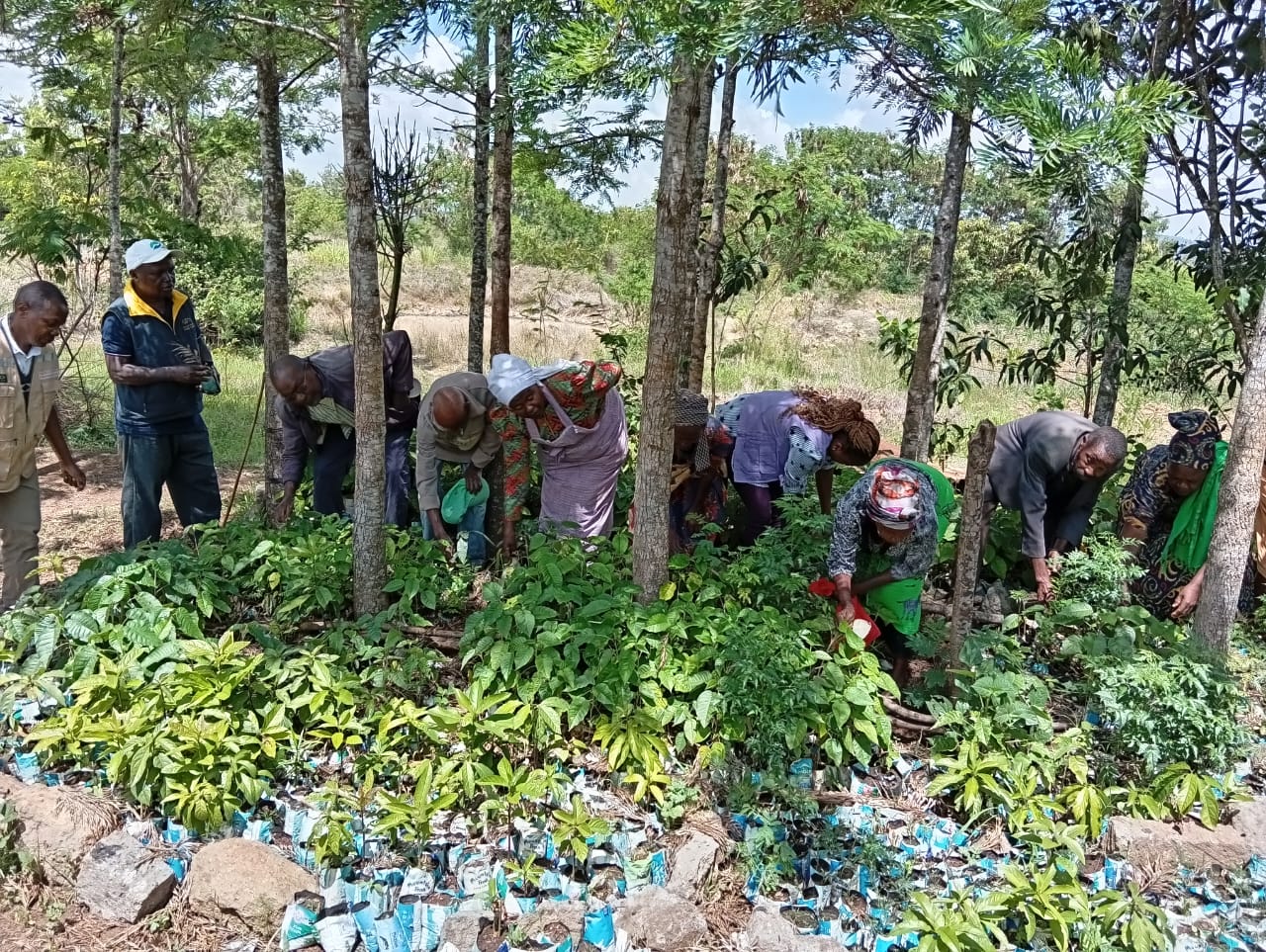
  • Monday: Establishing or maintaining community tree nurseries

  • Tuesday: Companion planting and intercropping systems

  • Wednesday: Building living fences and windbreaks

  • Thursday: Natural pest control and biodiversity enhancement

  • Friday: Harvesting and post-harvest handling of agroforestry products

Week 3: Project Implementation & Sustainability

Completing a community-identified conservation project

Monday: Community consultation and project finalization
Tuesday-Thursday: Implementation of focused project (examples below)
Friday: Project celebration and impact assessment workshop
Weekend: Closing ceremony and optional eco-safari to see conservation areas

Example Community Projects:

  • Establishing a community-managed indigenous tree nursery

  • Creating a demonstration food forest on school grounds

  • Restoring a degraded water catchment area with appropriate species

  • Building terraces on erosion-prone slopes with nitrogen-fixing trees

Key Program Activities

1. Indigenous Tree Nursery Development

Learn to propagate native species from seed collection to seedling care. Work with communities to identify which trees serve multiple purposes: food, medicine, fodder, timber, and soil improvement.

2. Agroforestry Systems Implementation

Design and establish integrated systems where trees, crops, and sometimes livestock coexist beneficially:

  • Boundary planting with fruit and timber trees

  • Alley cropping with nitrogen-fixing species between crop rows

  • Home gardens incorporating medicinal and nutritional trees

3. Soil & Water Conservation Techniques

Build practical solutions to retain soil and water:

  • Contour bunds and trenches

  • Mulching with organic materials

  • Swales and check dams in erosion-prone areas

  • Zai pits and other water-harvesting techniques

4. Sustainable Harvesting & Value Addition

Learn ethical harvesting of forest products and how communities can add value:

  • Beekeeping in forest areas (apiculture)

  • Processing indigenous fruits into jams or dried snacks

  • Sustainable charcoal production from managed woodlots

  • Medicinal plant cultivation and preparation

5. Climate Change Adaptation Training

Participate in workshops helping farmers adapt to changing weather patterns through diversified, resilient farming systems.


Who This Program Is For

Ideal Participants:

  • Agriculture students seeking practical field experience

  • Environmental science graduates wanting hands-on conservation work

  • Gardeners and farmers interested in sustainable techniques

  • Climate activists looking to contribute to tangible solutions

  • Anyone with a passion for nature, trees, and community-based conservation

No prior farming experience required—just physical willingness to work outdoors and learn!

Program Impacts & Outcomes

Environmental Impact:

  • Trees Planted: 200-500+ native trees per volunteer group

  • Land Restored: Direct improvement of 2-5 acres per program cycle

  • Carbon Sequestration: Measurable contributions to community carbon sinks

  • Biodiversity: Enhanced habitats for pollinators and local wildlife

Community Impact:

  • Farmers Trained: 20-30 local farmers per program in sustainable techniques

  • Educational Outreach: School programs reaching 50-100+ children

  • Livelihood Support: Development of sustainable forest-based income streams

  • Knowledge Preservation: Documentation of indigenous tree knowledge

Volunteer Impact:

  • Practical skills in agroforestry and conservation

  • Deep understanding of climate-smart agriculture

  • Cross-cultural exchange with farming communities

  • Portfolio of hands-on conservation experience

Logistics & Practical Details

Accommodation:

Stay in our Eco-Lodge or with Host Farming Families for authentic immersion. Facilities are basic but comfortable, emphasizing sustainable practices like solar power, rainwater collection, and composting toilets.

Meals:

Enjoy farm-to-table meals featuring organic produce from the very farms you're working with. Vegetarian/vegan options available. Participate in food preparation using traditional methods.

Location:

Based in the green highlands of Central Kenya or the foothills of Mount Kenya, areas facing both deforestation pressure and agricultural innovation opportunities.

Physical Requirements:

  • Moderate fitness level for outdoor work

  • Ability to work in various weather conditions

  • Comfort with basic manual labor (digging, planting, watering)

  • No severe allergies to pollen or farm environments

What Makes Our Program Unique?

1. Indigenous Knowledge Integration

We prioritize local tree species and traditional knowledge over imported solutions, respecting and preserving biocultural heritage.

2. Farmer-to-Farmer Learning Model

You work alongside—not above—local farmers. Knowledge flows both ways in this mutual exchange.

3. Holistic Approach

We address conservation, agriculture, and livelihoods together, recognizing their interconnection.

4. Measurable, Long-term Impact

Every tree is mapped and monitored. We provide communities with follow-up support for two years.

5. Cultural Respect

We follow seasonal and cultural calendars, respecting local planting times and traditional practices.


Request More Information

Don’t just visit Kenya. Understand it. Don’t just help. Partner. Your transformative story begins with a single click.