WASH PROGRAM
💧 WASH (Water, Sanitation & Hygiene) Program
Grassroot Community Development Initiative (GCDI)
Area of Operation: Machakos County, Kenya
Program Overview
The WASH (Water, Sanitation & Hygiene) Program aims to improve access to safe water, promote proper sanitation, and strengthen hygiene practices among vulnerable households, schools, and community institutions in Machakos County.
Given the county’s semi-arid climate, seasonal water scarcity, and sanitation challenges, this program focuses on practical, community-driven, and sustainable solutions that protect health, dignity, and the environment.
The program integrates infrastructure support, behavior change education, community participation, and volunteer engagement to reduce preventable water- and sanitation-related diseases, especially among children, women, and persons with disabilities.
Program Objectives
-
Increase access to safe and reliable water sources
-
Improve sanitation facilities in households and schools
-
Promote good hygiene practices, especially handwashing
-
Reduce incidence of water-borne and sanitation-related diseases
-
Strengthen community ownership and sustainability of WASH initiatives
Key Focus Areas
1. Safe Water Access
-
Rainwater harvesting systems
-
Protection of water sources
-
Safe water storage and treatment
2. Sanitation Improvement
-
Household and school latrine support
-
Menstrual hygiene management (MHM)
-
Community-led total sanitation (CLTS)
3. Hygiene Promotion
-
Handwashing behavior change
-
School and community hygiene education
-
Household cleanliness and food hygiene
Core Activities
🚰 Water Access & Management
-
Installation of rainwater harvesting tanks in schools, ECDE centers, and households
-
Rehabilitation and protection of community water points
-
Training households on water treatment methods (boiling, chlorination, filtration)
-
Demonstrations on safe water storage using locally available containers
-
Community water management committees training
🚻 Sanitation Improvement
-
Support construction and upgrading of improved pit latrines
-
Promotion of child-friendly and disability-inclusive toilets
-
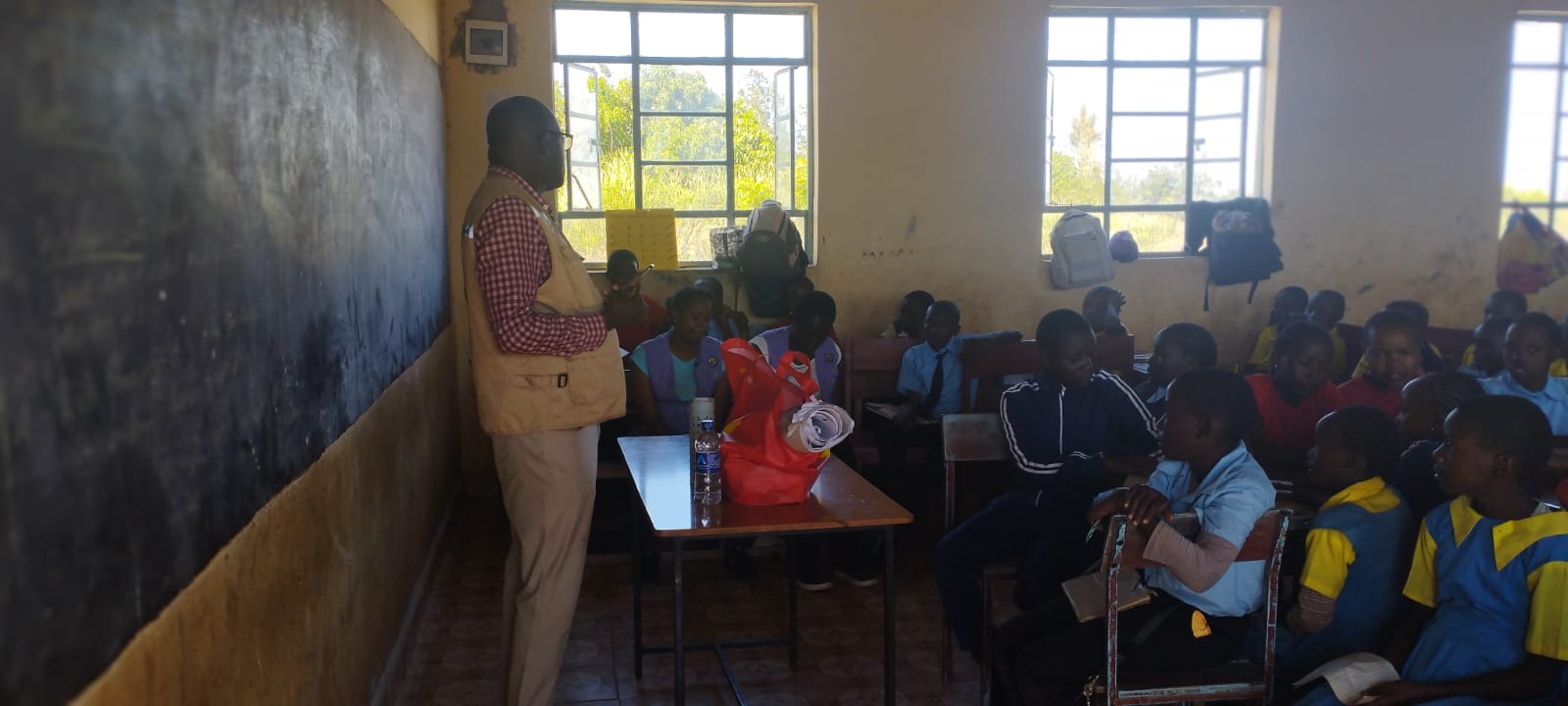
Menstrual Hygiene Management (MHM) education for adolescent girls
-
Distribution of reusable and disposable sanitary products where needed
-
Community-Led Total Sanitation (CLTS) triggering sessions to end open defecation
🧼 Hygiene Education & Behavior Change
-
Handwashing demonstrations using tippy taps
-
School hygiene clubs and peer hygiene champions
-
Household hygiene visits and coaching
-
Food hygiene and safe waste disposal training
-
Hygiene promotion through drama, songs, and community forums